Essential Tips for Effective Dog Training: A Guide for Family Pet Owners
Efficient pet training is a diverse process that needs a tactical approach customized to both the family pet's personality and the owner's objectives. Comprehending exactly how to browse these obstacles can substantially enhance the training experience, ultimately transforming the connection between owner and pet.
Understanding Dog Habits
Understanding canine actions is important for efficient training and cultivating an unified partnership between canines and their owners. Pet dogs communicate largely via body movement, articulations, and activities, making it essential for proprietors to translate these signals precisely. Identifying a canine's posture, tail placement, and ear positioning can provide insights into its mood. A wagging tail does not constantly show joy; it can also signal exhilaration or stress and anxiety.
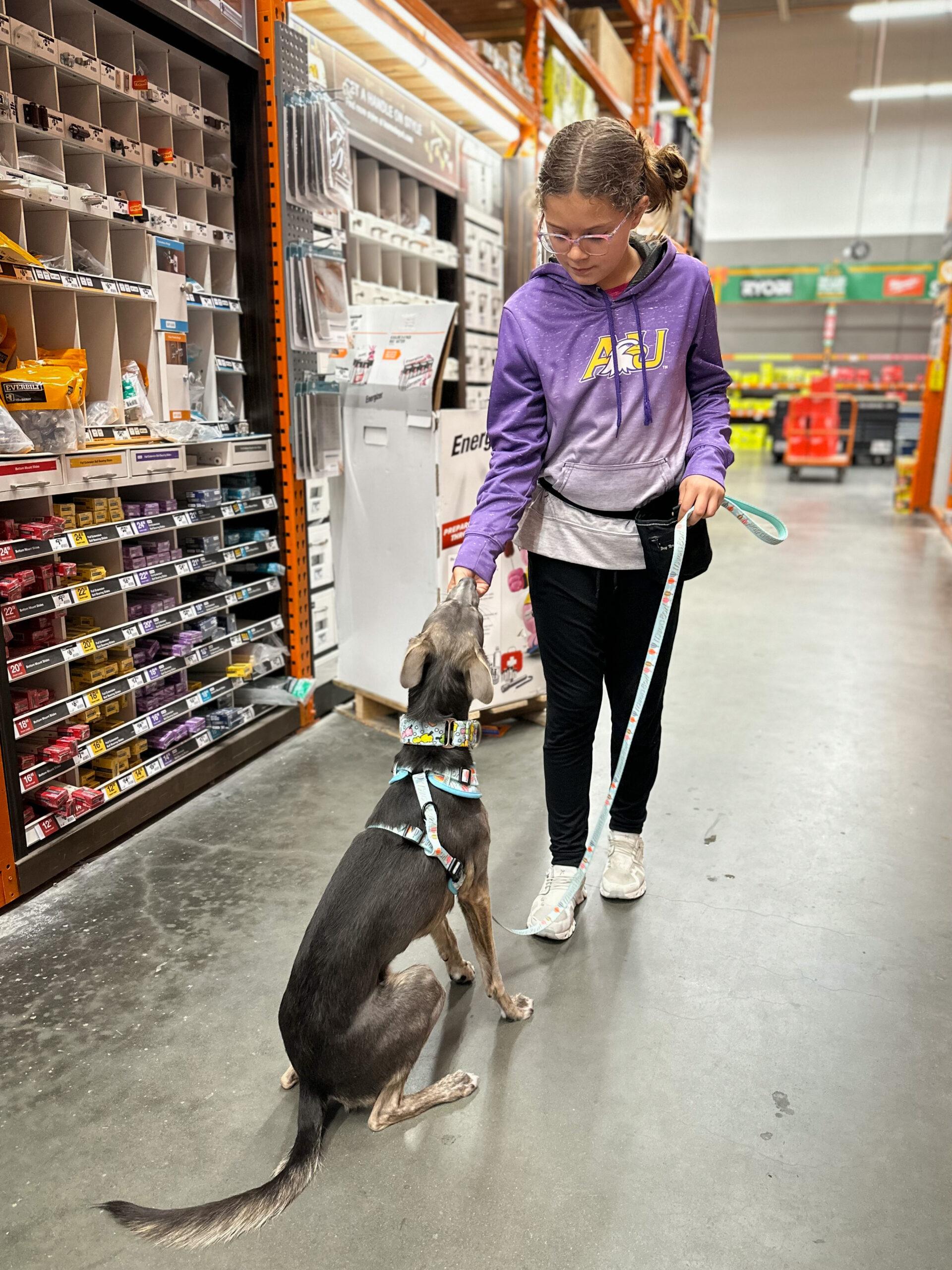
Socializing plays a considerable function in dog habits; direct exposure to various atmospheres, individuals, and other pets can dramatically affect a canine's character. Elements such as breed attributes and individual personality ought to assist training methods, as some breeds might have particular behavioral attributes that require tailored strategies. By understanding these elements, proprietors can produce an encouraging environment that urges favorable behavior, leading to successful training results and a deeper bond with their animals.
Developing Consistent Commands
Efficient interaction with your canine starts with establishing consistent commands. This fundamental component of training is vital for promoting understanding in between you and your family pet. Consistency in the commands you make use of makes certain that your pet can accurately connect specific words or phrases with the preferred behaviors.
When picking commands, select clear, distinct words that are easy to separate and claim from one an additional. Stay clear of utilizing similar-sounding commands that might confuse your dog. Utilizing "rest" and "remain" is proper, but "rest" and "hit" could lead to misunderstandings.
Additionally, keep the same tone and quantity for every command. Pet dogs are delicate to singing hints, so differing your tone can create complication.
It is similarly vital to make certain that all household members get on the same page relating to the commands made use of. A united front in command use will certainly prevent blended signals and enhance the understanding procedure.
Favorable Support Strategies
The power of favorable reinforcement in pet dog training depends on its capability to motivate wanted behaviors with rewards and praise. This technique is grounded in the principle that actions followed by positive end results are more probable to be repeated. By including positive reinforcement right into your training routine, you can successfully form your pet's habits in a positive manner.
To apply favorable support, it's vital to recognize what inspires your dog, whether it be treats, toys, or spoken praise. When your dog performs a preferred activity, such as resting on command, right away award them with a reward or affection. This association between the command and the favorable end result enhances their understanding.
It's critical to timing the rewards appropriately; providing the reinforcement within secs of the wanted behavior assists your dog make the connection (dog training). Additionally, consistency is key-- ensure that all relative make use of the same commands and incentive systems to prevent complication
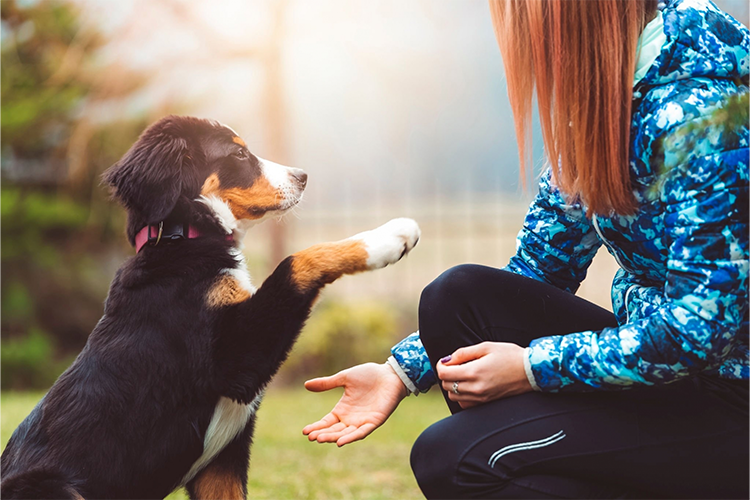
Progressively, here you can minimize the regularity of deals with as your pet dog discovers the behavior, transitioning to praise or intermittent rewards. This technique not just fosters a strong bond between you and your pet dog however likewise promotes a positive learning atmosphere, making training a pleasurable experience for both.
Socialization and Communication
Continually subjecting your dog to a variety of settings, people, and other pets is important for their social growth. Socializing should begin early, ideally throughout the critical home window of 3 to 14 weeks, when pups are most receptive to new check out this site experiences. Older dogs can additionally profit from ongoing socialization efforts.
Present your canine to different setups, such as parks, pet-friendly shops, and city areas. This direct exposure assists them adapt to different stimulations, decreasing anxiety and concern actions. Motivate favorable interactions with various other pet dogs and individuals, making sure that these experiences are regulated and secure to foster confidence.
Use structured playdates with courteous canines, as this can boost your pet dog's social skills and educate them ideal actions. Obedience courses and training sessions also give superb chances for socializing, allowing your pet dog to connect with others in a monitored environment.
Screen your pet's body movement throughout interactions, as this will assist you evaluate their comfort level. Slowly enhance exposure to more challenging situations while making sure that each experience declares. A well-socialized canine is more probable to exhibit well balanced habits, making them a joy to have in any type of setup.
Dealing With Common Training Challenges
Every canine owner will certainly experience training challenges eventually, no matter their dog's age or socialization degree. Recognizing usual issues such as stubbornness, disturbances, and terror can help in creating reliable approaches for enhancement.
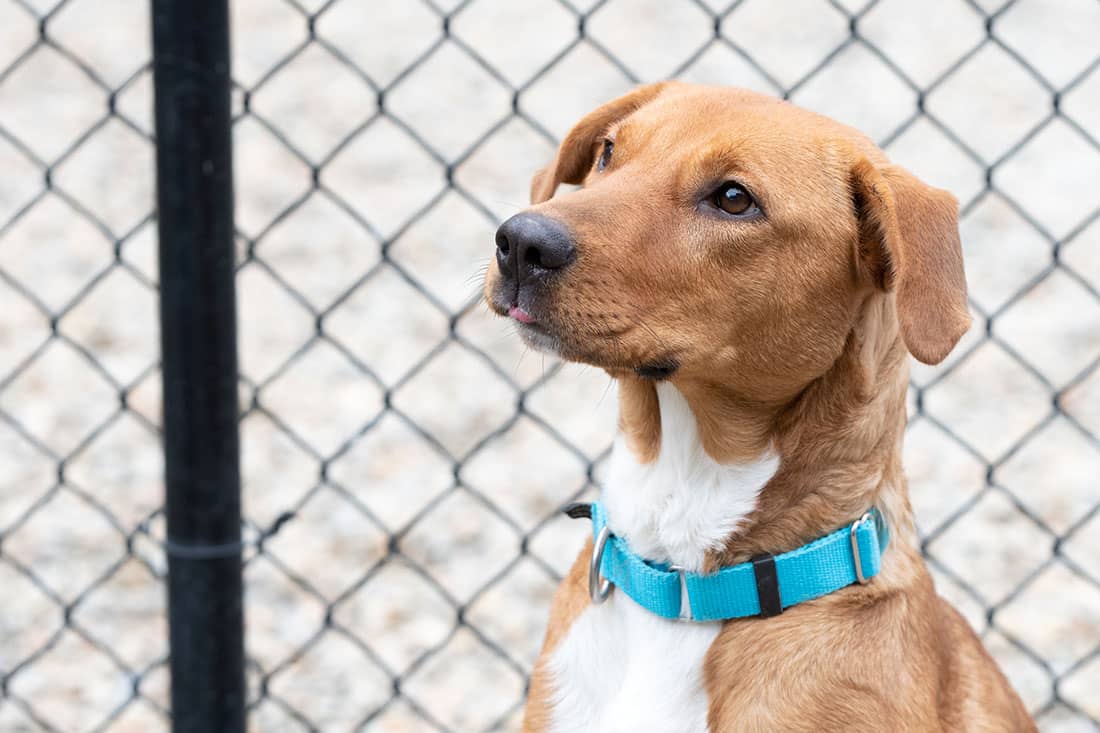
Interruptions during training sessions can hinder emphasis. To fight this, start training in a silent environment with minimal stimulations. Progressively introduce distractions as the pet ends up being much more competent in commands. Short, constant training sessions are additionally effective in maintaining focus.
Fearfulness can hinder a pet dog's knowing procedure. Progressive desensitization to the resource of worry, coupled with favorable reinforcement, can help minimize anxiousness. Persistence is important; never ever require a pet dog into a situation that causes read this article distress, as this might intensify the issue.
Inevitably, understanding and dealing with these common challenges with an organized method will promote a much more effective training experience, reinforcing the bond in between dog and proprietor while advertising reliable understanding.
Verdict
In recap, effective dog training counts on an extensive understanding of canine actions, the establishment of regular commands, and the application of favorable support methods. Socializing plays an important duty in creating well-adjusted animals, while resolving typical training challenges calls for persistence and versatility. By implementing these essential approaches, animal owners can foster a solid bond with their pet dogs and promote desirable habits, eventually resulting in a harmonious relationship between people and their canine buddies.
Comprehending pet actions is vital for effective training and promoting an unified relationship in between dogs and their owners.Socialization plays a substantial function in canine behavior; exposure to various settings, individuals, and other pets can significantly affect a pet's temperament.The power of positive reinforcement in pet dog training lies in its capacity to motivate wanted actions with incentives and praise. By integrating favorable reinforcement right into your training program, you can effectively form your dog's habits in a useful manner.
In recap, effective pet training depends on a comprehensive understanding of canine actions, the facility of regular commands, and the application of favorable support methods.